
Earth Day Starts at Home: The Environmental Work That Does Not End When the Festivals Do
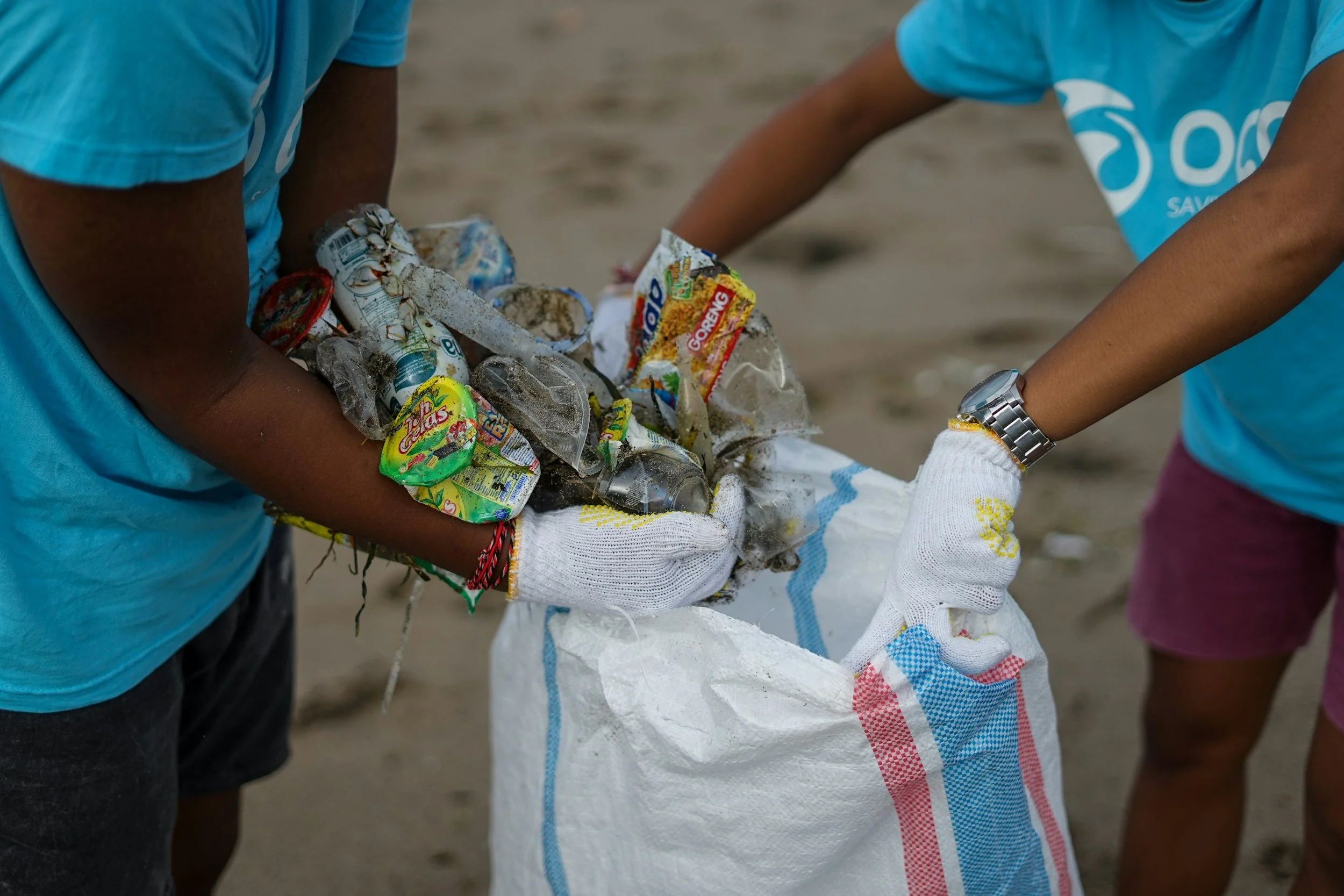
Every April, we celebrate the Earth beautifully. There are the community cleanups, tree plantings, and festivals - along with thoughtful posts on social media feeds. I live in Santa Barbara, which many people consider the birthplace of Earth Day. The 1969 oil spill off our coast was part of what moved Senator Gaylord Nelson to propose the first Earth Day the following spring. Every April, this city by the sea throws a well-attended Earth Day festival. For a brief moment in time, people pay attention to the planet in a way most of us do not manage the other eleven months of the year. And then, every May, the conversation quietly goes away.
That rhythm has stayed with me, because I have been paying attention to Earth Day for most of my life.
Why Earth Day Matters to Me
In the early 1990s, I was a high school student in Miami — I’m dating myself now but that’s okay — when Senator Nelson came to speak at our school assembly. He was the founder of Earth Day. He was quietly riveting that day, the kind of speaker who seemed almost gentle until he started, and then became fiery and clear-eyed and genuinely in love with the planet. I was a teenager, and I left that room lit up.
One thing I have thought about ever since is that the founder of Earth Day, on Earth Day, was not on the evening news that day. He was not in a stadium, or at a press conference, or on a campaign rally. He was in a high school auditorium, talking to a few hundred teenagers. That tells you something about what our culture actually makes room for, and about why the environmental work that matters most often ends up being quiet and close to home rather than loud and on a platform.
How The Environment Affects Your Health
When most people hear the word environment, they picture something outside. Sprawling forests, roaring oceans, frigid and gorgeous glaciers. Those things matter, absolutely. But the environment that most directly shapes your health on a daily basis - what is inside your walls - and the outside wilderness are actually one and the same.
They are one environment, continuous from the shelf above your bathtub to the watershed a hundred miles away. What we call exposure when we talk about the human body is the same chemistry we call pollution when we talk about the planet.
The reason this matters, and the reason I am writing this particular post, is that it reframes the work that happens at home. Replacing a toxic product with a cleaner one is not only a health choice. It is also an environmental choice. And it is one of the few environmental choices where your individual action has a direct, measurable, immediate effect.
Your home is an environment in the fullest sense of the word. It is the mattress you lie on for a third of your life. The cookware that touches your food every time you cook. The shampoo that sits on your scalp. The laundry detergent that stays in your clothes. The fragrance plugged into your living room wall right now. The materials that make up your furniture, your baby's crib, the rug your kids crawl across.
And it is the one you have the most immediate power over.
Your Home Is Not Separate From The Planet
The synthetic chemicals we bring into our houses do not stay in our houses. The phthalates in scented cleaning products off-gas into indoor air and eventually migrate outdoors. The chemicals in your laundry detergent go down the drain and into the municipal water system, where some survive treatment and enter rivers and oceans. The PFAS in your nonstick cookware shed into your food and, over the life of the product, into landfills and waterways where they persist essentially forever.
Why This Is Actually Good News
Most environmental problems feel enormous in a way that makes personal action feel symbolic. That gap between the scale of the problem and the scale of one person's response is where most people's Earth Day energy goes to die. It is genuinely hard to sustain effort on something when you cannot see your own effect.
This kind of work is different.
Your body will tell you when you have swapped out a pine-scented cleaner for a fragrance-free one and when you are no longer absorbing endocrine disruptors through body care. Your sleep tells you when your mattress is no longer off-gassing into your bedroom air. The feedback loop is close and personal.
None Of This Replaces Systemic Work
Before Natural Haven existed, I spent years as a consumer protection attorney, suing major corporations over undisclosed harmful chemicals in everyday products, including DuPont over PFAS in nonstick cookware and baby bottle manufacturers over BPA. I know what it takes to move a needle at the corporate and regulatory level. The policy work matters enormously, and it is slow, and it depends on sustained public pressure that too often arrives in April and disappears in May.
But while we push for the systemic change that will eventually protect everyone, the work you do in your home right now protects you and the people who live with you. Those two things are not in competition. They are complementary.
The Bottom Line
When Earth Day ends next week, your city's festival will pack up. The beach cleanups will finish their final trash bags. The conversation will fade from your social feed.
The environmental work in your own home continues.
It continues every time you make dinner on cookware that is not leaching PFAS into your meal. Every time you wash your family's clothes in fragrance-free detergent. Every time you sleep on a mattress that is not quietly off-gassing into your bedroom air. It continues when nobody is watching, nobody is posting, and the calendar has long since moved on.
That is exactly what makes it matter.
If you want help thinking through your own home, that is what I do. Reach out anytime.